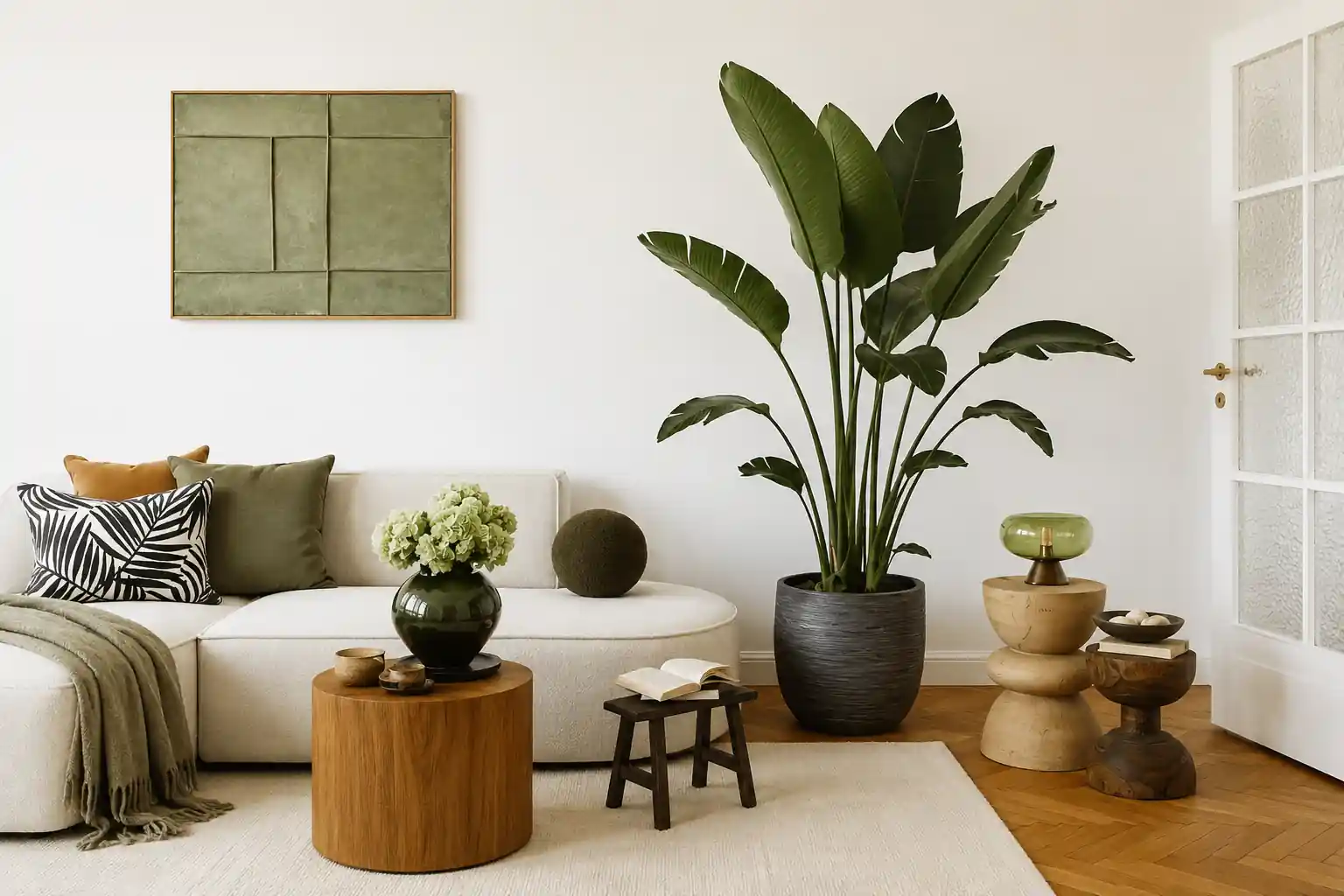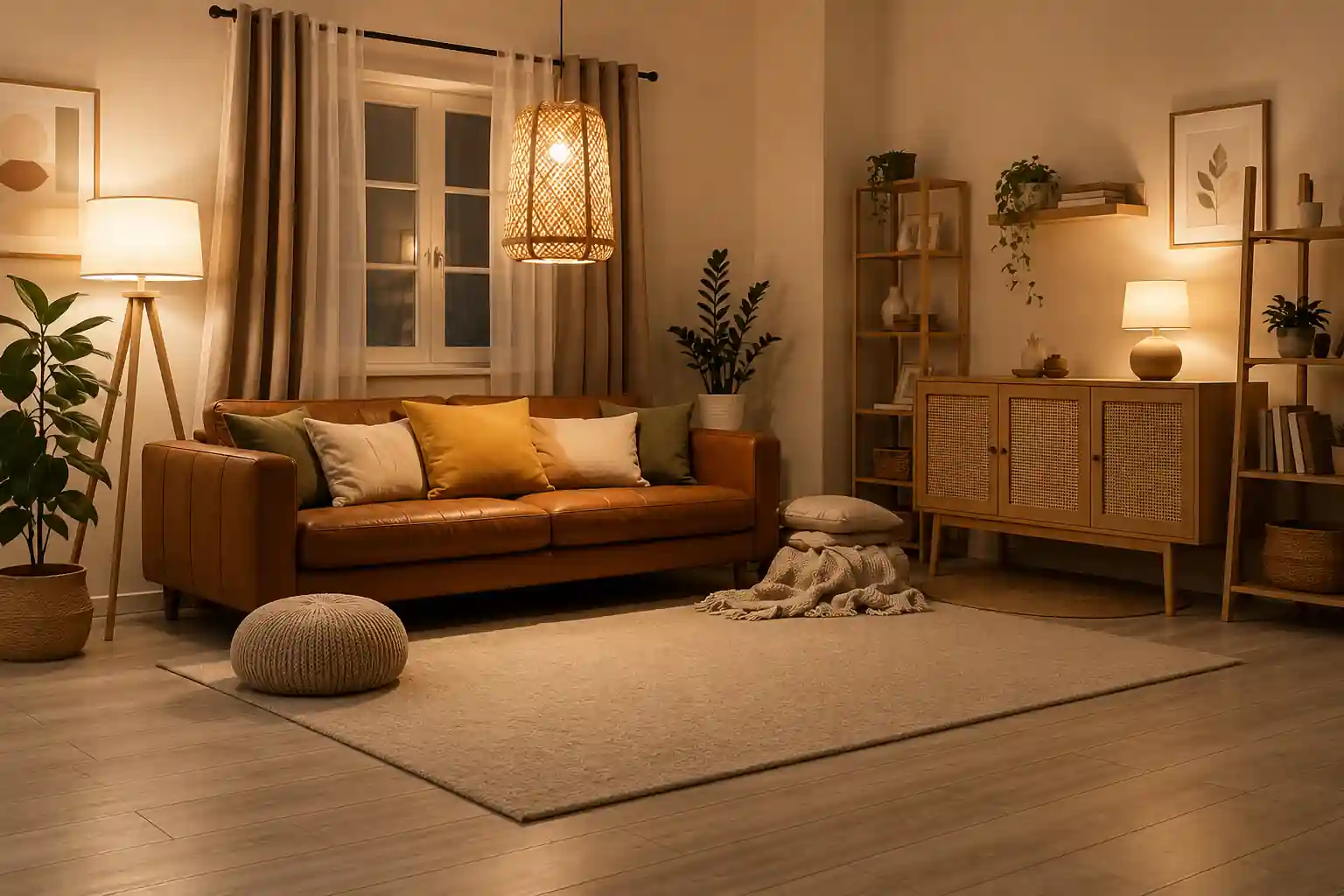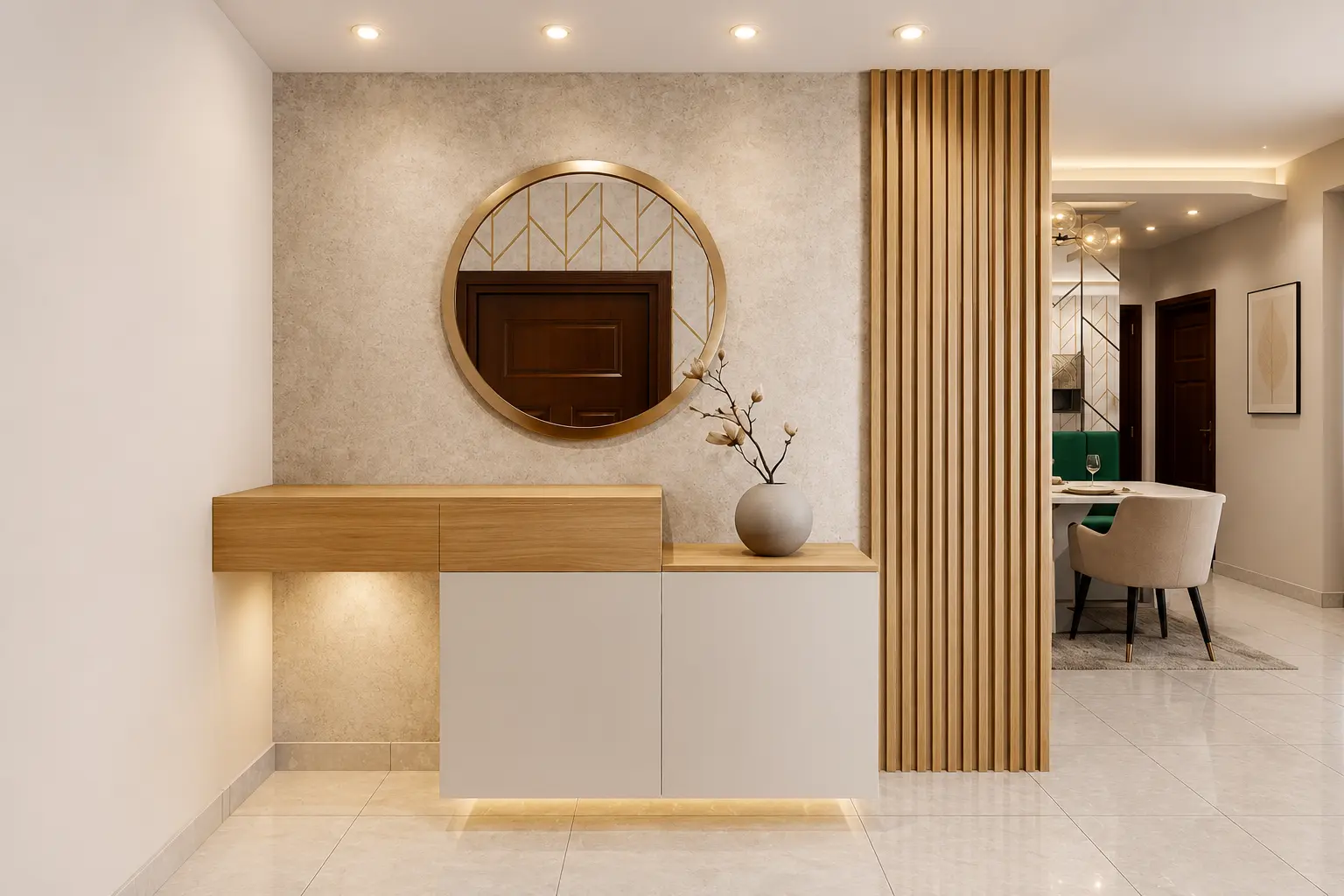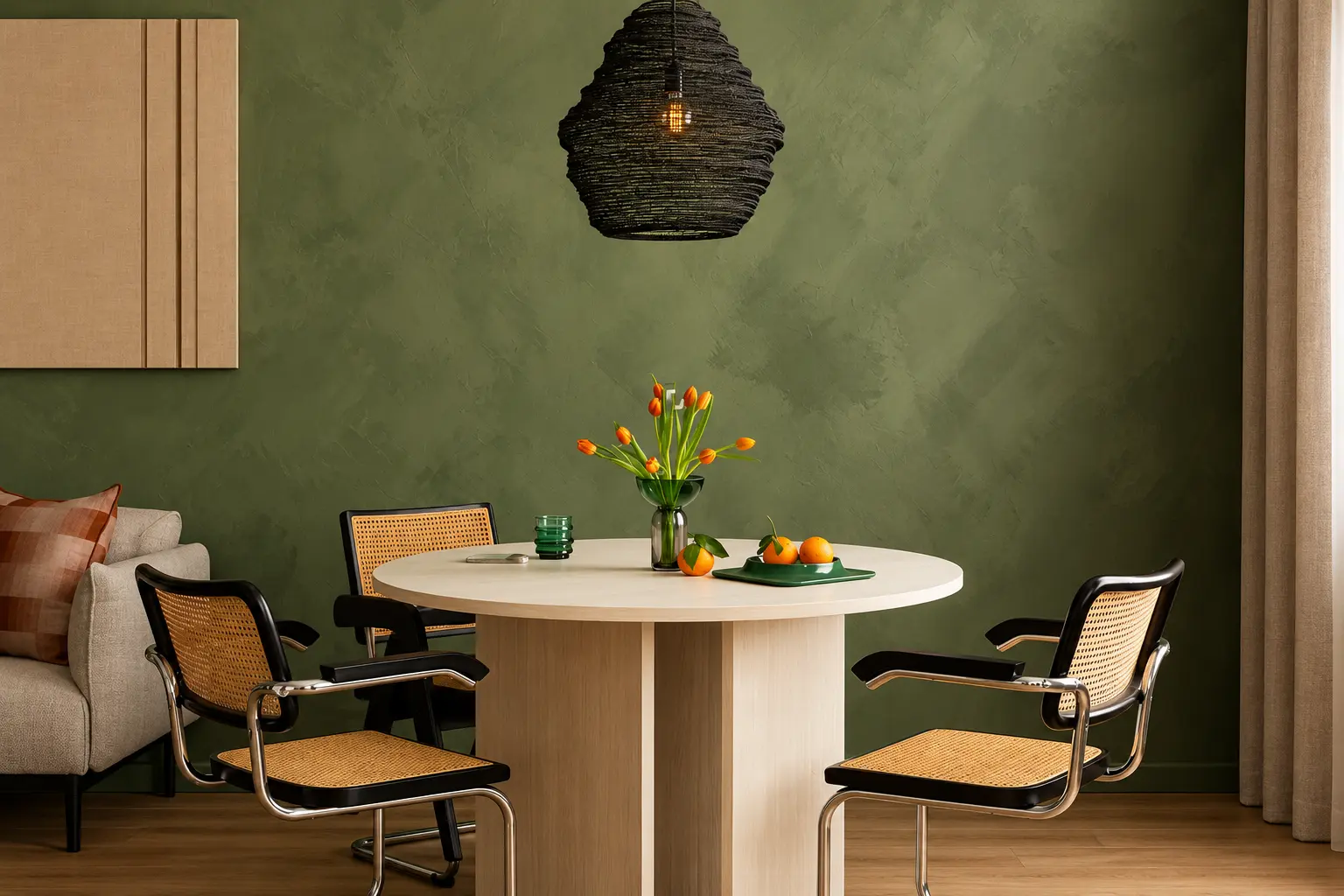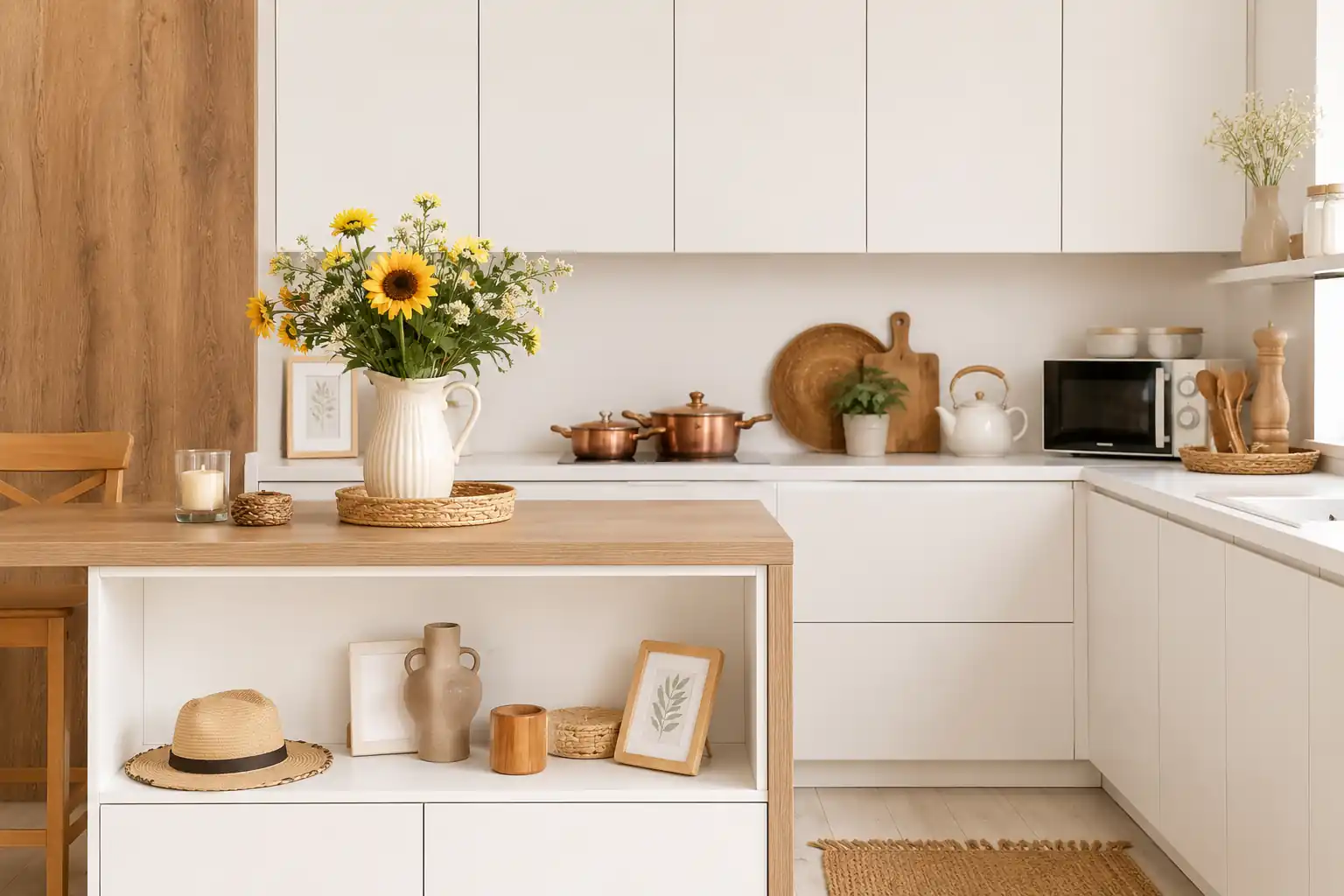
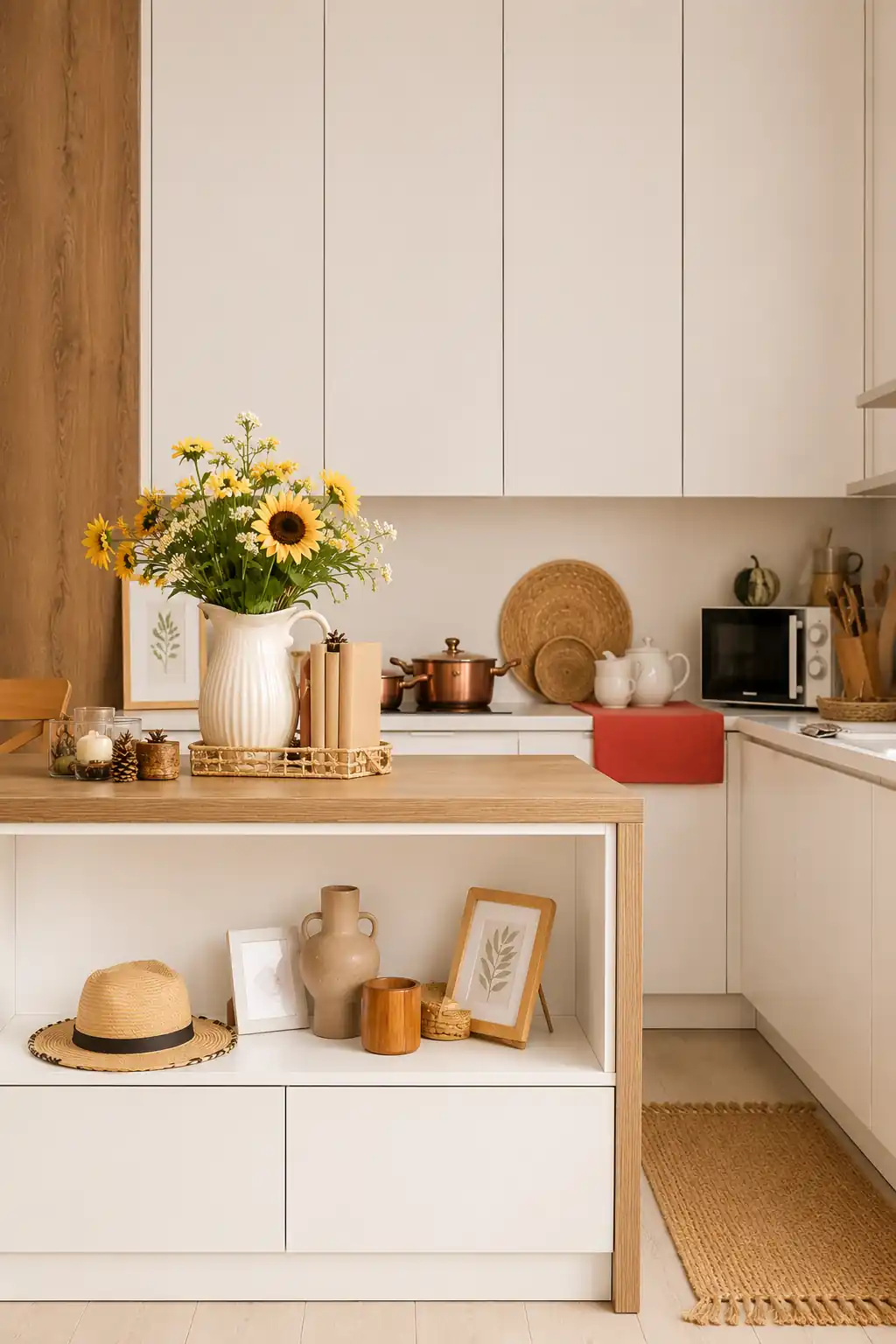



Traditional Indian interior design can work beautifully in modern apartments when heritage elements are used selectively rather than replicated in full. Carved wood, brass accents, jaali patterns, handcrafted textiles, and warm colours can add character without overwhelming compact spaces. The key is to combine these traditional details with sleek storage, practical furniture, durable materials, and modern amenities.
Step into an old Mumbai home, and you’ll notice something most newly built apartments just don’t have. The home feels warm and restful, with furniture and material textures defining the ambience rather than a coat of paint. Carved wood, hand-block prints, brass fittings, and stone floors that have seen decades of festivals and family dinners are the hallmark of traditional Indian interiors.
But getting the same feeling in a new 2BHK apartment can be a bit more challenging. The question isn’t whether to bring tradition into the home; this design style has existed for centuries for a reason. The real question is how you can incorporate this traditional vibe into your modern home without sacrificing your modern amenities.
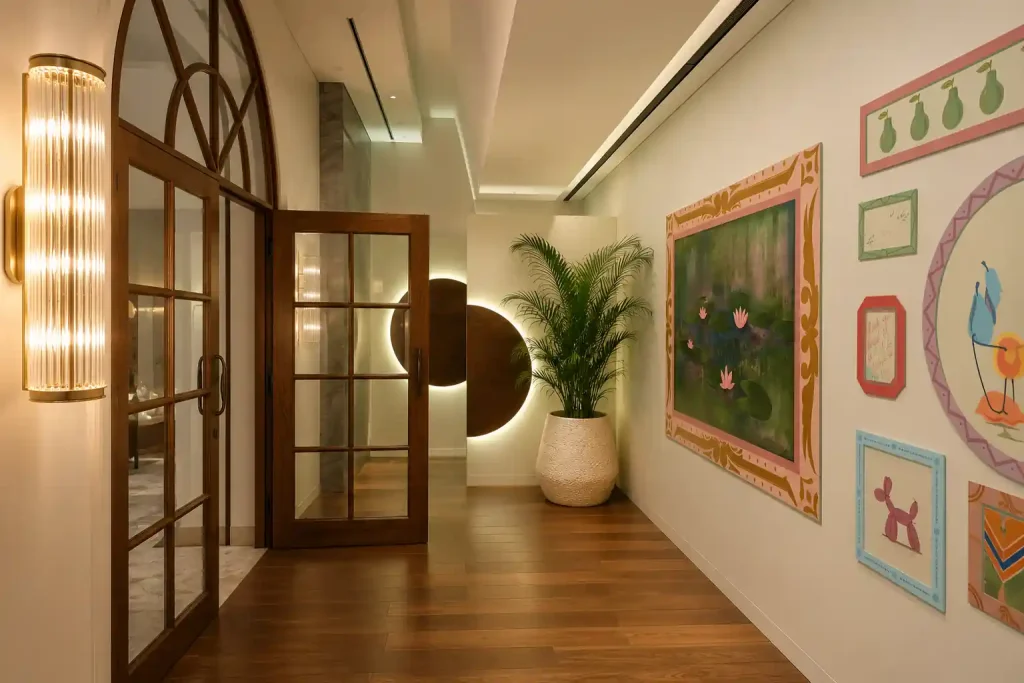
An old-school traditional bungalow had twelve-foot ceilings and open courtyards. However, a flat in Mumbai or Bangalore has neither of those luxuries. Modern Indian interior design works best when you borrow characteristics from the old style without exactly conforming to it.
Take your bedroom, for example. A heavily carved four-poster frame looks stunning but eats up a lot of floor space. And in a small Mumbai apartment, you just don’t have the luxury of wasting space. This is where an experienced Mumbai interior designer would recommend a simpler wooden bed with one carved headboard. A bed that gives you the same visual weight without swallowing too much space.
You don’t need every element in the same room. A few well-chosen choices can give you the traditional vibe you crave without cluttering the whole house.
Indian interior design styles that work usually use a palette of one dominant neutral colour and two accents. Any more, and the room can start to feel visually overwhelming, especially given that Indian textures and handicrafts tend to be quite colourful and bright.
Keep the walls calm and let the furniture and textiles carry the colour.
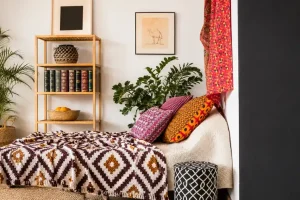
The best indian style interior designs don’t blend everything smoothly. Rather, they create deliberate contrast to make the traditional aesthetic stand out.
Clutter can easily floor your home if you don’t plan for it. It’s important to give everything a defined spot before it becomes a pile. Material choice also matters in humid, coastal climates like Mumbai’s. Engineered wood with a good veneer finish holds up better than solid wood, which might warp during monsoons.
Additionally, pet corners, study nooks, and work-from-home setups should be separated from your decorative zones. Daily life needs its own space, away from decoration that is meant to visually impact your room.
According to Architectural Digest India, more homeowners are now looking for interiors that reflect their own heritage while still functioning well for modern urban life. At Bonito Designs, the core tenet is to build a home that is functional and aesthetically impactful.
Our LifeDesign philosophy starts with understanding how you actually live in your home. Your mornings, how you host festivals, where the kids study, and where your pets take a nap, all these aspects are considered before any design work begins. With years of experience across Mumbai and Bangalore’s varied layouts, we know what actually fits a home and how families actually live their day-to-day lives.
Building a traditional home that still has all its modern amenities can feel like a challenge, which is why Bonito Designs is here to help you throughout your home design journey. Book a consultation today to achieve a home that perfectly blends traditional interior design with modern trends.
Use a few statement elements, such as a carved wooden headboard, brass décor, jaali partition, traditional artwork, or handwoven textiles, while keeping the rest of the room simple and functional.
Warm neutrals such as off-white, sand, and warm grey make good base colours. Terracotta, mustard, indigo, and deep green can be introduced through upholstery, cabinetry, rugs, and décor.
Choose one or two heritage focal points per room and combine them with closed storage, plain walls, streamlined furniture, and limited patterns.
Compact apartments can use carved accents, jaali panels, brass handles, printed cushions, dhurries, wooden consoles, and space-saving pooja units instead of oversized traditional furniture.
Yes. Modern sofas, modular wardrobes, concealed storage, work-from-home areas, and contemporary lighting can be paired with traditional materials and handcrafted accents to create a balanced home.